World’s First Open-Access Battery Imaging Library Opens 4.5TB of Data to Global Researchers
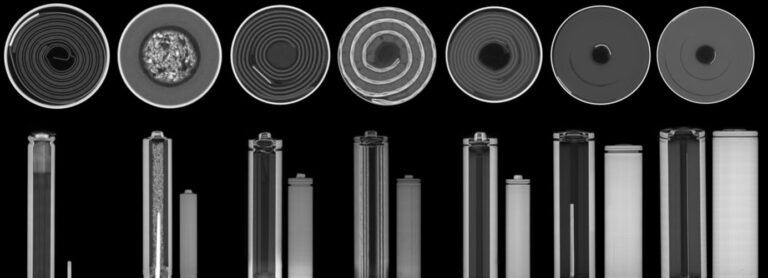
Scientists from the UK and other countries have helped launch the world’s first open-access battery imaging library, giving researchers free

Scientists from the UK and other countries have helped launch the world’s first open-access battery imaging library, giving researchers free

BYD Energy Storage has launched GC Block, a standardized battery storage unit with up to 62 MWh of capacity. The

Construction has begun in eastern China on the Qatar Bul Hanine oilfield redevelopment project, described as China’s largest international offshore
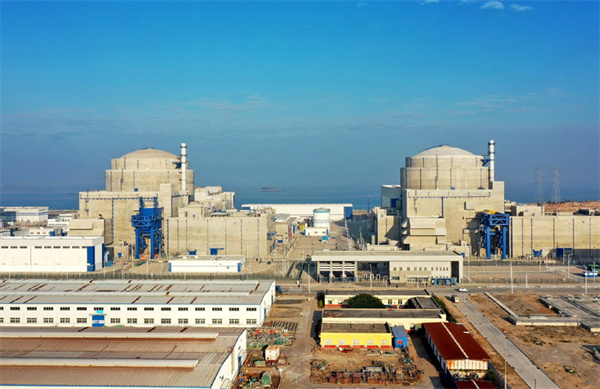
China has unveiled Hualong One 2.0, an upgraded version of its domestically developed nuclear power technology, with changes aimed at

The International Atomic Energy Agency has raised its long-term nuclear power forecast again, pointing to a major expansion in small

Proxima Fusion and Germany’s Lower Saxony have signed an agreement to develop a large-scale high-temperature superconducting tape factory. The first two phases are expected to require about €140 million, including €21 million from Lower Saxony. The facility could help supply Proxima’s future fusion machines while reducing Europe’s reliance on overseas HTS manufacturing.
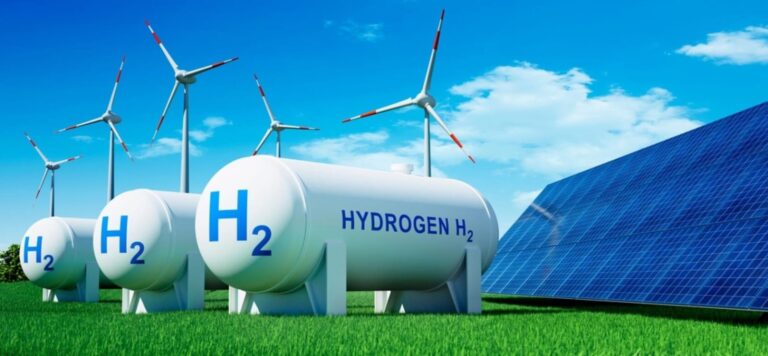
Chinese researchers have developed an organic catalyst that keeps solar-generated charges separated for about 1,000 times longer than a conventional
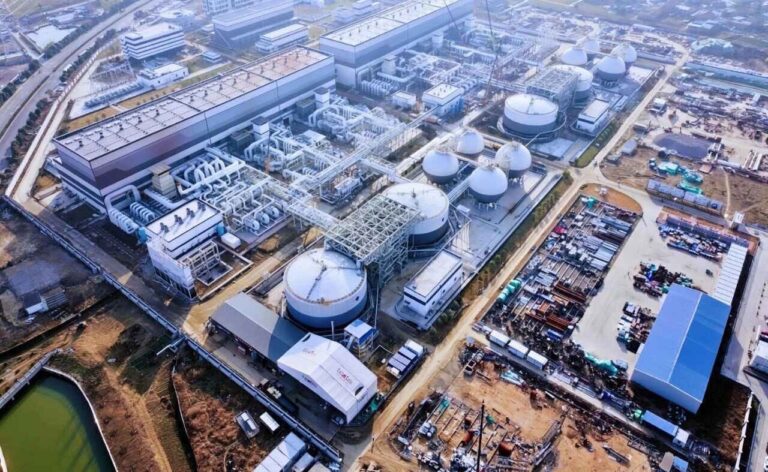
China has started full operations of two units at the Jintan salt cavern compressed air energy storage project in Jiangsu
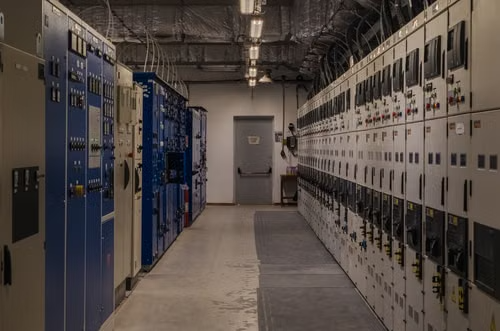
Energy Vault has secured 275 MW of Rolls-Royce MTU reciprocating engine generation capacity for future hyperscale AI infrastructure. Supported by dedicated financing from Eagle Point Credit Management, the equipment is expected to be delivered from H2 2027 through H1 2028. The deal is designed to help Energy Vault secure long-lead power equipment and support faster deployment of electricity for large AI data centers.
Researchers at Nanjing University have developed an iron-containing cathode for high-energy sodium-ion batteries. The material uses iron ions to help oxygen reactions reverse more effectively during charging and discharging. Tests improved oxygen-reaction reversibility from 75% to 99%, while a pouch cell reached 206 Wh/kg and retained 87.8% capacity after 100 cycles.